






Top Reasons For Night Sweats
Surprisingly only one of the reasons is menopause, so could something else be causing your night sweats?
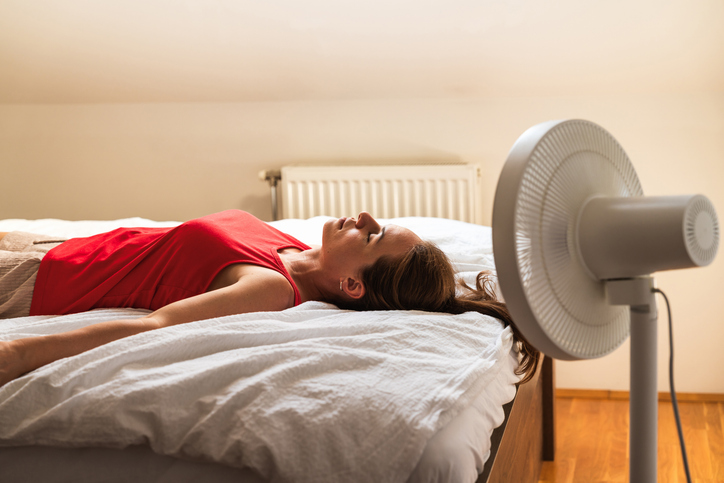
It is sadly one of the most common signs during menopause, but that might not be the only cause you are having this problem.
You might start sweating when your room feels hot or you have on too many covers, or more recently the increasingly hot summers. But that is not what we are discussing.
Night sweats specifically means frequent soaking sweat in the middle of the night that will probably wake you, and often so much that you need to put on new sheets.
It is often linked to a health problem, and here are some of the many reasons it might be happening.
Menopause
Hot flushes before and after your last period can be difficult to tell apart from night sweats. Younger women who have had both ovaries taken out or who stopped having periods because of chemo can also get them.
They are also more likely to happen when you are worried, experiencing low moods, or have just one alcoholic drink each day.
But just because you are a woman of the right age (usually, in your late 40s or 50s), do not think your night sweats are entirely related to menopause.
Overactive thyroid
Sweating more and being sensitive to heat can be signs of having too much thyroid hormone. Your thyroid gland manages how your body uses energy, so when it makes too much hormone, your body works too hard.
Your body temperature goes up, and you might feel hungrier or thirstier, have a fast heartbeat or shaky hands, feel tired and not right, get loose stools, and lose weight.
Low blood sugar
Do you have diabetes? While your blood sugar may be okay when you go to bed, it can go down while you’re sleeping.
Perhaps you had a very busy day, or exercised before bed, or had a late evening meal, and these can all cause sweating at night.
If you use insulin or take a drug like a sulfonylurea for your diabetes, that might be causing your low blood sugar at night.
When your blood sugar is less than 140 mg/dL before bed, or it might drop in a few hours, eat something small.
Anxiety
Worry, stress, and fear can make any hormonal symptoms worse and cause you to sweat during the day, so it’s not strange that anxiety can do the same thing at night.
Bad dreams happen less often in adults than children, but can leave you sweaty and with a fast heartbeat.
Get expert help if these issues continue or cause trouble in your daily life.
Infection
Infections can cause night sweats. Some specific ones, like bacterial endocarditis (which affects the inner lining of the heart) and osteomyelitis (which affects bones), can lead to this symptom.
There are also rare infections that might cause night sweats. Your doctor will check for these based on your risk factors, what you’ve been exposed to, and your travel history.
Acid Reflux
Gastroesophageal reflux disease (GERD) can cause more than just heartburn and chest pain. While it has not been thoroughly studied as a cause of night sweats, doctors believe there might be a link.
Treating GERD can help reduce night sweats, and to manage it try eating smaller meals and avoid eating close to bedtime. We already know that eating late at night can be a factor in night sweats.
Stay away from foods that trigger your symptoms, like fatty, fried, or tomato-based foods as these can make GERD worse because tomatoes are very acidic. This includes not just fresh tomatoes but also processed products like sauces, paste, and salsa.
If your symptoms are severe or happen more than a couple of times a week, see your doctor.
Serenity Natural Progesterone Cream
The natural alternative to HRT. Trusted by women and their doctors for over 25 years.
Learn MoreMedications
Many medications can cause night sweats, including common over-the-counter pain relievers like paracetamol and NSAIDs such as aspirin and ibuprofen.
Older antidepressants known as tricyclics, along with bupropion and venlafaxine (which can also help with quitting smoking), may also lead to night sweats.
Additionally, hormone replacement therapy (HRT) and steroids, like cortisone and prednisone, are other common medications that might contribute to this issue.
Some medications for glaucoma and dry mouth can stimulate sweat glands as well, so talk to your doctor about possibly switching to a different medication that may not cause this side effect.
Sleep apnoea
When you have this issue, you briefly stop breathing many times during the night and because your body is not getting oxygen, it might go into ‘fight or flight’ mode, which makes you sweat.
Every time it has to start your breathing again, that means a burst of work from your muscles as well.
Lymphoma
This is a general name for cancer that starts in cells of the lymph system, and many cancers can cause night sweats.
Lymphoma is the most common and starts in parts of your body’s defence system, like lymph nodes, spleen, bone marrow, and thymus gland.
About a quarter of those with Hodgkin’s lymphoma get night sweats and have a slight fever. They might also feel tired, itchy, and, after drinking alcohol, feel pain where their tumour is.
Those with fast-growing or late-stage non-Hodgkin’s lymphoma can get very heavy night sweats, too.
Tuberculosis
The germs usually grow in your lungs with a bad, painful cough that brings up blood and coloured mucus.
About half of all those who get this have night sweats, and you might also feel feverish, tired, and weak, and have no desire to eat.
Tumours
Prostate and kidney cancer, and some tumours in the ovaries are common examples of what doctors call ‘solid tumours’ that can cause night sweats.
A type of late-stage thyroid cancer and cancer in your pancreas could also trigger them and are a common sign of carcinoid syndrome, the effect of a rare cancer usually found in your digestive system or lungs.
Helpful information
For many women, menopause and unbalanced hormones are the biggest reasons for night sweats, and there are several ways to deal with them.
First, make sure your hormones are in the correct ratio and serious symptoms like night sweats often need to have that with the progesterone and oestrogen in Wellsprings Twenty to One cream.
Other easy ways to help are to keep your bedroom cool and use a fan to move the air to make you feel better.
Avoid man-made fabrics that do not allow air through. Try cotton sheets and pyjamas that move sweat away to help you stay cooler.
If you need more help, this article has some useful advice.
https://blog.wellsprings-health.com/night-sweats-and-what-to-do-about-them/