





What causes vaginal itching, burning, and irritation?
It can be annoying, and embarrassing, but help is at hand.
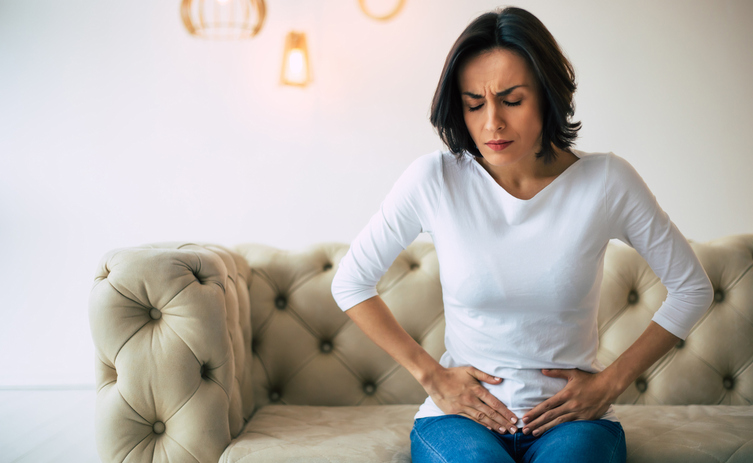
Itching in general seems to increase at Menopause, but there is a little more irritating – so to speak – when it occurs vaginally.
When it occurs in an area as sensitive as the vagina and vulva (the labia, clitoris, and vaginal opening), it can be especially uncomfortable.
Most genital itching and irritation isn’t a major concern but because they can be symptoms of an infection, it’s always a good idea to check with your doctor if it persists or is a regular occurrence.
What causes it?
There are several common causes of vaginal itching, burning, and irritation, including:
Menopause
The drop in oestrogen production that occurs at the end of a woman’s reproductive years can cause the vaginal walls to thin and dry out.
This can lead to itching and irritation.
Bacterial vaginosis
It’s normal to have a healthy mix of bacteria in the vagina but the wrong bacteria growing there can lead to an infection.
Besides itching, other symptoms that come with bacterial vaginosis are inflammation, burning, discharge, and a fishy-smelling odor.
Sexually transmitted diseases (STDs) like chlamydia, genital herpes, genital warts, trichomoniasis, and gonorrhoea can cause itching and irritation in the vagina and vulva, along with other symptoms.
Yeast infection (vaginal candidiasis) occurs when too much of the yeast called candida grows in the vagina and vulva. About 75% of women will have a yeast infection at some point in their lives.
Factors such as pregnancy, sexual intercourse, antibiotics, and a weakened immune system can increase the chances of getting a yeast infection. Along with itching and irritation, a yeast infection usually causes a thick, white, cheesy discharge.
Chemical irritants such as creams, douches, condoms, birth control foams, laundry detergents, soaps, scented toilet paper, and fabric softeners can also irritate the vagina and vulva.
Lichen sclerosis is a rare condition that leads to thin white patches on the skin, especially around the vulva, and may cause permanent scarring in that area. This condition is most common in women who have gone through menopause.
How is it treated?
Vaginal irritation often improves on its own. However, if the irritation persists, is severe, or comes back after treatment, please schedule an appointment with your doctor.
The treatment for vaginal discomfort depends on its cause:
– Bacterial vaginosis and sexually transmitted diseases (STDs) are treated with antibiotics or antiparasitic medications.
Wellsprings Bioidentical Face Serum
A hormone-containing facial serum with natural progesterone & oestrogen, designed specifically for face and neck.
Learn More– Yeast infections are treated with antifungal medications, which can be creams, ointments, or pills taken orally.
If you have never been diagnosed with a yeast infection, consult your doctor before using any over-the-counter treatments.
– Itching related to menopause may be treated with extra oestrogen or vaginally applied progesterone or a combined cream such as Wellsprings Twenty to One.
– Other types of itching and irritation can be treated with steroid creams or lotions to reduce inflammation. A stronger prescription steroid cream can help with lichen sclerosis irritation.
To help yourself at home, you can try the following tips to prevent and treat vaginal irritation:
– Avoid scented pads, toilet paper, creams, bubble baths, intimate hygiene sprays, and douches.
– Clean your external genital area with plain, unscented soap and water regularly, but do not wash more than once a day to prevent dryness.
– Always wipe from front to back after a bowel movement.
– Wear cotton underwear (avoid synthetic fabrics) and change your underwear daily.
– Use condoms during sex to help prevent STDs.
– Before sex, if you have vaginal dryness, use an oestrogen or combination cream for better lubrication.
– Avoid sexual intercourse until your symptoms improve.
– Do not scratch, as this can make the irritation worse.
Helpful information
I hope you will find some of these tips helpful. Often, you can manage symptoms by making simple changes, like avoiding irritants and having loose, cotton underwear.
If the issue continues, you might want to try Wellspirng combination cream Twenty to One that contains both oestrogen and progesterone. Oestrogen helps with dryness, while progesterone reduces inflammation.
If the dryness is very bad or you have vaginal atrophy, you may need to use a separate oestrogen source such as Wellsprings Balancing cream along with your progesterone.
If you often have itching, this article may provide useful information.
https://blog.wellsprings-health.com/is-itchy-skin-a-menopause-symptom/