





Endometriosis – The Main Cause Of Infertility In 50% Of Women
If you have a history of this condition, and looking to start a family, this is valuable information you need to know.

Many women in their late forties and older are still hoping to have a family.
Fertility decreases at this age, but if you have endometriosis, it can affect your chances of getting pregnant.
Endometriosis and Infertility
Endometriosis is a common condition that is often linked to high levels of oestrogen, which can cause irregular menstrual cycles and lead to the buildup of old blood.
Endometriosis happens when tissue similar to the lining of the uterus, called the endometrium, grows outside the uterus. This can cause pain and infertility.
Normally, the endometrium inside the uterus thickens each month to prepare for a possible pregnancy. If pregnancy does not happen, this tissue breaks down and is shed during menstruation.
But with endometriosis, the endometrial tissue outside the uterus also thickens, breaks down, and bleeds. However, this tissue cannot be expelled through the vagina like normal tissue.
Instead, it builds up over time and creates patches, scar tissue, cysts, and adhesions.
These growths usually develop in the pelvic area, often near the ovaries, but they can also form near the rectum, vagina, fallopian tubes, or even in the urinary or gastrointestinal tracts.
Some women do not have symptoms and find out they have endometriosis only during infertility testing, while others have painful periods and painful sex.
How endometriosis may affect fertility
Between 30% and 50% of women with endometriosis experience infertility, but not all women with this condition will have trouble getting pregnant.
Endometriosis can affect a woman’s ability to conceive in several ways:
– Growths, scar tissue, or cysts near the ovaries can block an egg from entering the fallopian tubes.
– Endometrial tissue in the ovary can stop ovulation from happening.
– Endometriosis can also form inside the fallopian tubes, which may prevent the egg and sperm from meeting.
Additionally, endometriosis can cause painful sexual intercourse, especially around ovulation. Avoiding sex during this time can lower the chances of getting pregnant.
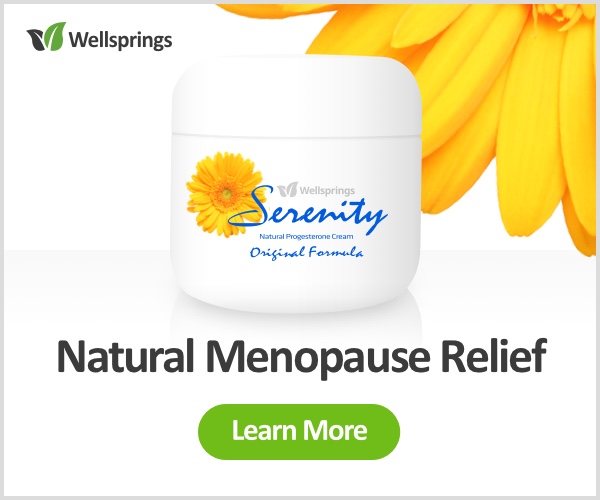
Serenity Natural Progesterone Cream
The natural alternative to HRT. Trusted by women and their doctors for over 25 years.
Learn MoreHow is it treated?
Treatment for endometriosis depends on factors like how severe the condition is, any pain you are feeling, your age, and whether you want to become pregnant.
Some treatments for endometriosis can reduce fertility, so they are not suitable for women trying to conceive.
Medical treatment often involves laparoscopic surgery to remove growths, scar tissue, and adhesions caused by endometriosis. While this surgery is not a cure, it can temporarily improve fertility for about nine months.
Other treatment options include IVF, intrauterine devices (like the Coil with synthetic progestins), fertility drugs, pain relievers, and surgeries such as hysterectomy.
What can you do?
Endometriosis is linked to inflammation and is affected by oestrogen. Using Serenity, a bioidentical natural progesterone cream, may help control the condition since it addresses both issues.
Many women with endometriosis have found relief from using Serenity and when it is combined with changes in diet, it can further reduce inflammation and lower oestrogen levels.
An anti-inflammatory diet includes a variety of fresh fruit and vegetables and recommends cutting back on dairy, processed foods, and fast foods.
To limit oestrogen exposure, eat organic hormone-free meat, drink less alcohol, and consume plenty of fruit and vegetables. Women are advised to eat between 1500 and 2000 calories a day.
It is important to take endometriosis seriously and talk to your doctor about it. Maintaining a good hormone balance is essential for managing the condition.
Making lifestyle changes can also help, and you can find more suggestions in the following article.
https://blog.wellsprings-health.com/9-lifestyle-changes-that-may-help-with-endometriosis/