




Overactive Bladder? Food and Drink that Helps
If it’s not ‘only when I laugh’ then here are some tips to get it under control.
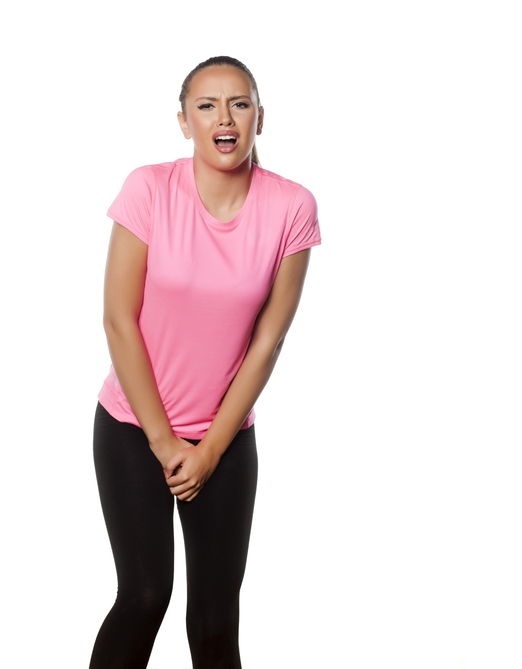
If you have an overactive bladder (OAB) with urge incontinence, food and drink can make a big difference in your symptoms.
There is no real diet as such that can help BUT sometimes what you drink or eat can aggravate symptoms. And sometimes how much you eat or drink can make them worse, too.
Try these tips to help you calm your symptoms.
What to drink and when
First, make still water your preferred drink. The added ingredients in carbonated and energy drinks, and caffeine in coffee, may aggravate an overactive bladder.
Staying hydrated is important to overall health. But choosing how much and when to drink is essential. The old saying about drinking eight 8-ounce glasses of water a day? A healthy adult may not need that much. The American Urogynecologic Society suggests drinking water when you’re thirsty.
Here are six tips for managing your fluid intake.
1. Spread out fluid intake throughout the day, sipping water between meal
2. Unless exercising, don’t carry a large water bottle with you
3. Fill your cup or glass half-way or use a smaller cup
4. Sip, don’t gulp
5. If you’re drinking enough water, your urine should be light yellow or almost colourless
6. Remember that you also get fluids in other foods, such as fruit, vegetables, and soups
See your doctor if you have pain or burning with urination, or if your urine is cloudy, dark, or smells strong.
Drinks that can increase the urge to pee
One of the biggest culprits is caffeine and studies show that reducing caffeine intake to below 100 milligrams per day – the amount in one cup of coffee – may help reduce urge incontinence symptoms.
Cut down or cut out these:
Caffeinated drinks such as coffee, colas, energy drinks, and teas as can make you urinate more. You can lower the amount of caffeine you take in by having a cup that’s half decaf and half normal strength.
You may want to wean yourself gradually to avoid caffeine withdrawal headaches.
Acidic fruit juice, especially orange, grapefruit, and tomato, so try switching to something with less acid, such as apple or pear juice, and dilute it with water.
Alcoholic drinks because it causes bladder issues by acting as a diuretic, irritating the bladder lining and disrupting the brain signals that control urination.
Carbonated drinks of all kinds because they create gas and pressure in the stomach. This pressure can force the valve at the bottom of the stomach (the pyloric sphincter) to open sooner which makes your bladder empty faster.
Drinks with artificial sweeteners, such as aspartame and saccharin, which can irritate your bladder and overstimulate bladder nerves and affect the detrusor muscle, leading to early or involuntary contractions.
They can exacerbate existing inflammation or irritation in the urinary tract, which is especially noticeable in those with chronic bladder flare-ups.
Serenity Natural Progesterone Cream
The natural alternative to HRT. Trusted by women and their doctors for over 25 years.
Learn MoreAlso diet or sugar-free drinks with sweeteners often pair the it with carbonation or caffeine, creating a stronger combined irritant for the bladder.
Foods to avoid
Some people find that certain food or drink seem to make their symptoms worse.
If you feel that any of these potential problem foods make your urge incontinence symptoms worse, see if eliminating or cutting them back helps:
* Acidic items like citrus fruit (lemons, limes, oranges, and grapefruit), tomatoes, and tomato products (like tomato sauce or salsa) are among the chief reported offenders.
Solution: Eat more fruit that is less acidic, such as pears or blueberries. They’re also high in disease-fighting antioxidants. If you like lemon in your water, try adding a twist or thin slice. You’ll get the hint of the fresh fruit flavor without the acid.
* Highly spiced foods as some people find chillies or wasabi wreaks havoc on their bladder.
Solution: Cut back on the spices little by little and see if your symptoms get better.
* Artificial sweeteners aren’t just in drinks but are also added to food.
Solution: Read the labels of pre-packaged food and drink and eliminate or reduce those with artificial sweeteners.
* Chocolate unfortunately this has both caffeine and sugar, so best limited in quantity or have as a small amount as an occasional treat.
Solution: Skip the large size bar. Stick with one small piece and that’s better for your waistline, too.
* Salty foods like potato crisps and salted nuts can cause the body to retain water, which eventually goes to the bladder. They also make you thirstier, so you’re likely to drink more liquids.
Solution: Switch to reduced or no-salt snacks.
Two things to try
If you think something in your diet is making your urge incontinence worse, but you’re not sure what it is, consider keeping a bladder diary. This means writing down what and when you eat and drink, as well as how often you urinate.
Another option is to try an elimination diet. For one week, remove one food item, like tomatoes, from your meals. If your symptoms improve, make a note of it. Then, slowly add small amounts of that food back into your diet until you notice your symptoms returning. This way, you might still enjoy the food in small amounts without causing side effects.
Helpful information
Bioidentical progesterone helps prevent vaginal and urinary tract infections in several ways. When progesterone levels return to normal and hormones are balanced, vaginal lubrication improves, which helps reduce the risk of urinary tract infections.
Progesterone also supports our immune system to prevent these infections.
Though we often see this as just a physical issue, it can also affect you emotionally, so you might find it helpful to read this article.