





Help for Menopause And Dry Eyes
Dry eyes appear with other signs of menopause such as sore joints and dry vaginal tissue, and often related to low hormone levels.
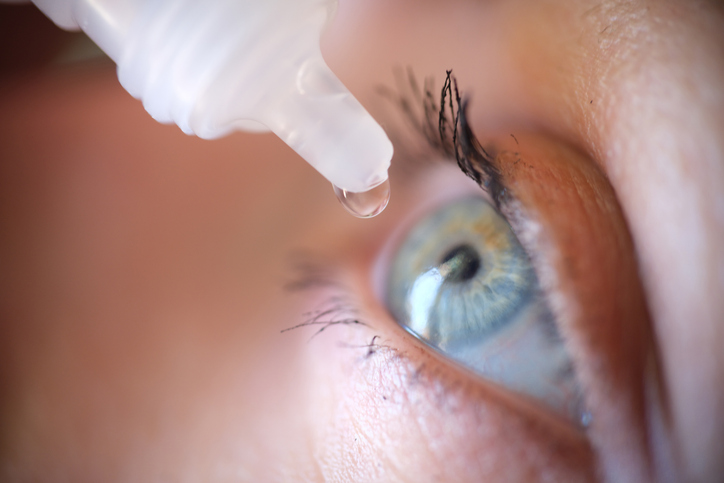
Dry eye syndrome affects over 60% of women during menopause, but many do not realise it is linked to their hormones. According to the Society for Women’s Health Research, this symptom is not well known, and only 16% of women connect it to hormonal changes.
More than half of women experience this during perimenopause and menopause due to lower levels of oestrogen and progesterone, which reduce tear production and can damage the oil glands in the eyes.
Causes of dry eyes
Dry eyes can develop for two main reasons. Firstly, not enough oil is produced by the glands in the eyelids or too much evaporation of the tears. Most people usually have a combination of low oil and high evaporation.
Secondly, certain autoimmune diseases, like diabetes, arthritis, lupus, and Sjögren’s syndrome, make it more likely to experience dry eyes.
If your dry eye symptoms persist, visit your doctor to find out the cause.
Here are some common factors that can contribute to dry eyes
– Reading or using a computer, which can reduce blinking and fluid distribution
– Living or working in dry places
– Contact lenses that absorb moisture from the eyes
– LASIK eye surgery, which can affect blinking
– Certain medications like allergy drugs, diuretics, beta-blockers, and birth control pills
– Poor diets lacking essential fatty acids or anti-inflammatory foods
– Health conditions like diabetes, arthritis, lupus, and Sjögren’s syndrome
– Eyes that droop excessively
What are the symptoms?
Initially, you may experience mild, temporary symptoms like tired or itchy eyes, which can sometimes appear red. These symptoms usually improve with a good night’s sleep.
If your symptoms are caused by environmental factors like air conditioning, dry heat, or wearing contact lenses for too long, you can often fix them easily. However, if the symptoms continue, you should find out the reason.
Common symptoms include
– Itchiness
– A scratchy or gritty feeling
– Tears running down the cheeks
– Increasing tiredness in the eyes during the day
– Irritation from smoke, wind, or air movement like a fan
– Stringy mucus
– Sensitivity to light
– Blurriness
– Problems wearing contact lenses
Resting your eyes can often help with these symptoms, but you should pay attention to more serious issues.
Serious symptoms can include
– blurry vision
– sensitivity to light
– irritation from smoke, wind, or moving air
– itchiness
– trouble wearing contact lenses
– a scratchy or gritty feeling in the eyes
– stringy mucus in the eyes
– tears that overflow and run down your cheeks
– tired eyes that feel heavy during the day
Having dry eyes for a long time can lead to serious problems, like scarring of the cornea, which can cause ulcers.
It also increases the risk of eye infections because dust and debris are not washed away, losing an important protective function.
If you experience eye pain or changes in your vision, please see your doctor or optician.
How to help yourself
Restoring hormone balance is the bet start to remedy your dry eyes so check if you are progesterone or oestrogen deficient, and take steps to remedy that.
Serenity Natural Progesterone Cream
The natural alternative to HRT. Trusted by women and their doctors for over 25 years.
Learn MoreIf you think you are low in testosterone then bioidentical progesterone is the body’s natural precursor for this hormone.
If you also have persistent signs of low oestrogen such as dry eyes and dry vaginal tissue, then you will be more effectively helped by Twenty to One. This is Wellsprings combination hormone cream which has both progesterone and oestrogen,
There is also connection between inflammation and dry eye and a study showed that a diet rich in omega-3 fatty acids reduced the risk of dry eye by 20 percent compared to women with low levels of omega–3. Either by supplementation or adding mackerel, tuna, wild salmon, and a good mix of nuts and seeds.
Omega-3 naturally reduces inflammation, helps stimulate tears and increases the oils in our eye secretion. If going for a supplement look for the right balance of omega-3, omega-6, and omega-9 to get maximum benefit.
Your diet is important for eye health, so try eating more whole grains, less sugar, and fewer processed foods to not only control insulin levels but can help keep inflammation under control.
If inflammation is an issue then make sure you have sufficient progesterone as that has anti-inflammatory effect too.
If you are dehydrated, the fluid in your eyes can be depleted, so drink lots of water and if the air in your home or work is very dry then try using is a humidifier.
Eye drops and artificial tears are used by many, but a word of caution. Although they can help make you more comfortable temporarily, the symptoms will probably come back.
Avoid products with preservatives that could irritate your eyes. Your optician can usually recommend suitable alternatives for you.
Avoid rubbing your eyes, as this can disturb the tear film, wash away tears, and transfer irritants to your eye.
Using computers, mobile phones, or tablets can cause dry eyes because we tend to stare at screens for too long without blinking. Make an effort to blink several times each minute.
More help
A simple solution for dry, tired eyes is to take off your glasses and remove your contact lenses if you wear them.
Then, rest your elbows on a table and cover your eyes completely with your hands for at least one minute. This technique is called ‘palming’ and not only allows your eyes to rest, but has a calming effect too.
It is clear that good hormone balance is essential to keep your eyes healthy, but if you are not sure which hormone you may be lacking then this article can be helpful.